
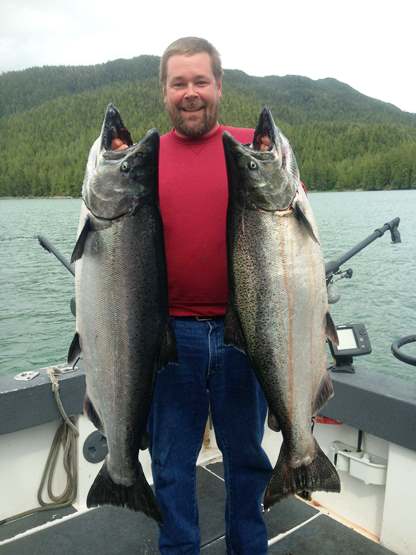
 When planning a fishing excursion in Ketchikan, Alaska—often celebrated as the “Salmon Capital of the World“—understanding the movement of water is just as critical as selecting the right tackle or reading the radar. Tides dictate marine feeding patterns, influence water currents, and directly determine when salmon move through coastal waters toward their spawning streams.
Whether targeting King (Chinook), Silver (Coho), or Pink salmon, knowing how tidal cycles affect fish behavior gives anglers a distinct edge for a successful catch.
The Mechanics of Tides in Southeast Alaska
Ketchikan experiences significant tidal swings, often ranging from 15 to over 20 feet in a single cycle. This vast volume of water flushing through the channels, passages, and fjords around Revillagigedo Island creates dynamic feeding zones for local marine life.
- Moving Water vs. Slack Tide: Salmon are predatory hunters that rely on water currents to bring baitfish—such as herring, sand lance, and needlefish—directly to them. Active water movement during incoming or outgoing tides forces baitfish into tight schools and disorients them along underwater structures, points, and kelp beds, triggering aggressive feeding behavior in salmon. Conversely, slack tide (the brief pause when the tide transitions) often results in a lull in activity.
- Incoming Tide (Flood Tide): As the tide rises, fresh seawater pushes into coastal bays, inlets, and river mouths. Salmon frequently travel with the flood tide, using the push of current to conserve energy as they push closer to shoreline structures and river estuaries.
- Outgoing Tide (Ebb Tide): An outgoing tide drains bays and flats, channeling baitfish off shallow banks into deeper trenches and drop-offs. Salmon gather along these current seams and drop-offs to ambush prey moving into deeper water.
How Salmon Species Respond to Tidal Changes
Different salmon species adapt their behavior based on water depth, structure, and tide levels in the Ketchikan area:
- King Salmon (Chinook)
Kings often patrol deeper waters along drop-offs, structure points, and reefs. On a strong flood tide, Kings move into shallower shoreline contours, following bait schools pushed toward the coast. Trolling along current lines where deep water meets shallow reefs during a tide movement is a proven approach for targeting these trophy fish.
- Silver Salmon (Coho)
Coho are active surface and mid-water feeders known for aggressive strikes. On an incoming tide, Silver salmon move closer to shoreline points, kelp beds, and island passes where tidal rip currents form. Position your boat along rip tides where contrasting currents meet to find active Coho schools feeding on surface bait.
- Pink & Chum Salmon
During peak runs in mid-to-late summer, Pink and Chum salmon accumulate in massive numbers near river mouths and bay entrances. An incoming tide carries fresh waves of these salmon out of deep channels into shallow estuaries, making high tide an ideal time for targeting fish near creek mouths.
Tips for Fishing the Tides in Ketchikan
- Target Tidal Rips and Seams: Look for areas where differing currents meet, creating visible lines or agitated water on the surface. These current seams gather nutrients, plankton, and baitfish, making them primary hunting zones for salmon.
- Fish the First Two Hours of a Tide Change: The transition period right after slack tide—when water begins moving again—frequently triggers a strong feeding window.
- Adjust Your Trolling Depth: Tidal currents change how your gear fishes. Strong tides may require heavier weights or downriggers to keep troll lines in the strike zone, while slower tides allow lighter setups to remain effective.
- Leverage Local Knowledge: Channel contours, underwater pinnacles, and local island geography alter tidal behavior in unique ways across Ketchikan’s waterways. Partnering with a local charter captain ensures you fish the right spots at the exact right phase of the tide.
Don’t just fish the water—fish the tide. Book your Ketchikan salmon adventure today and make every strike count!